Fate of the World
Fate of the World
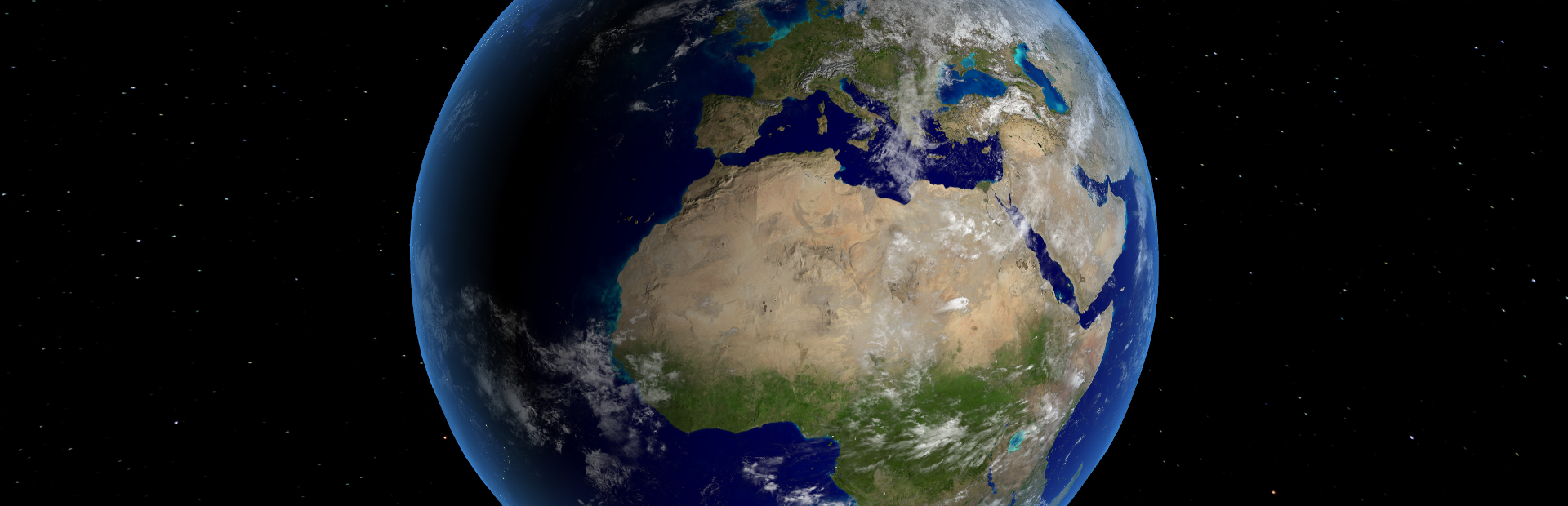
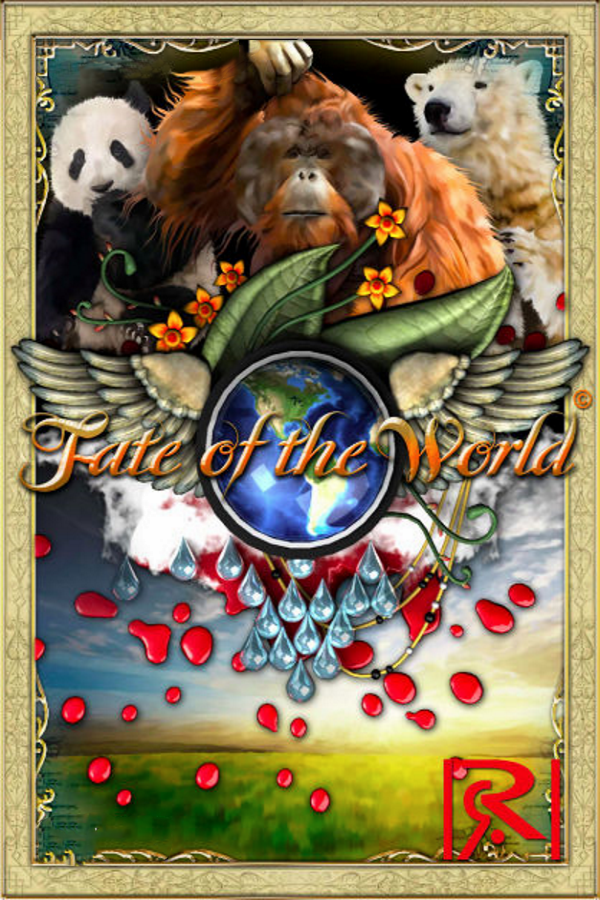
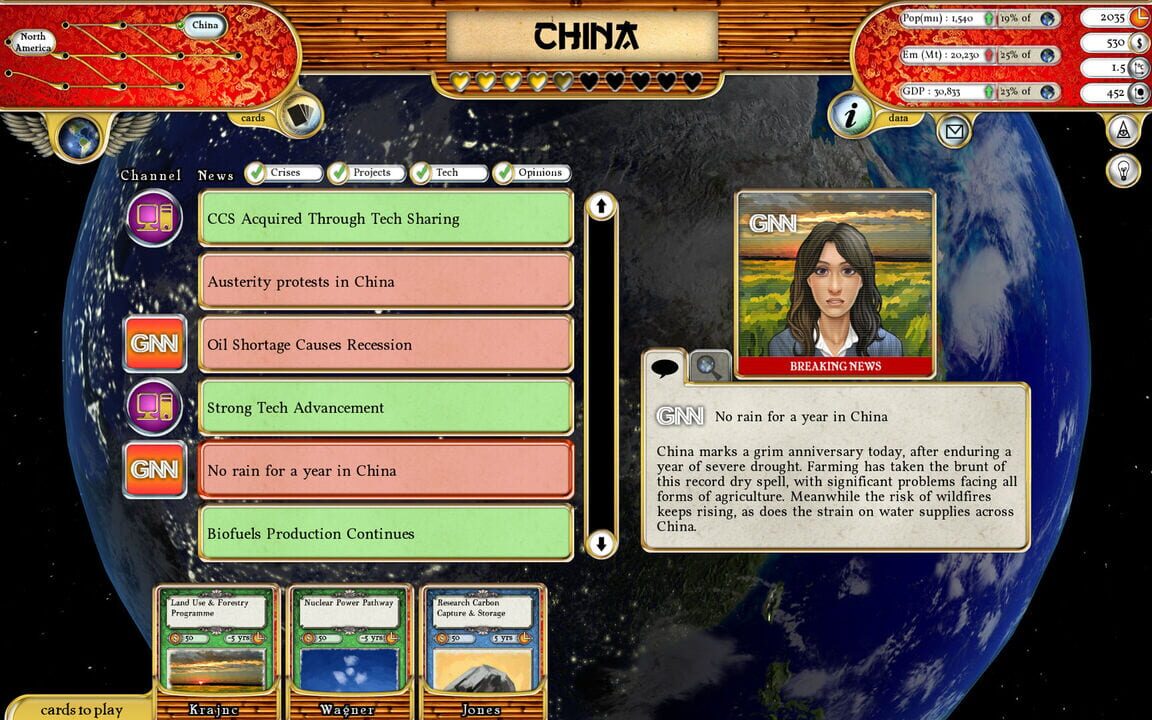
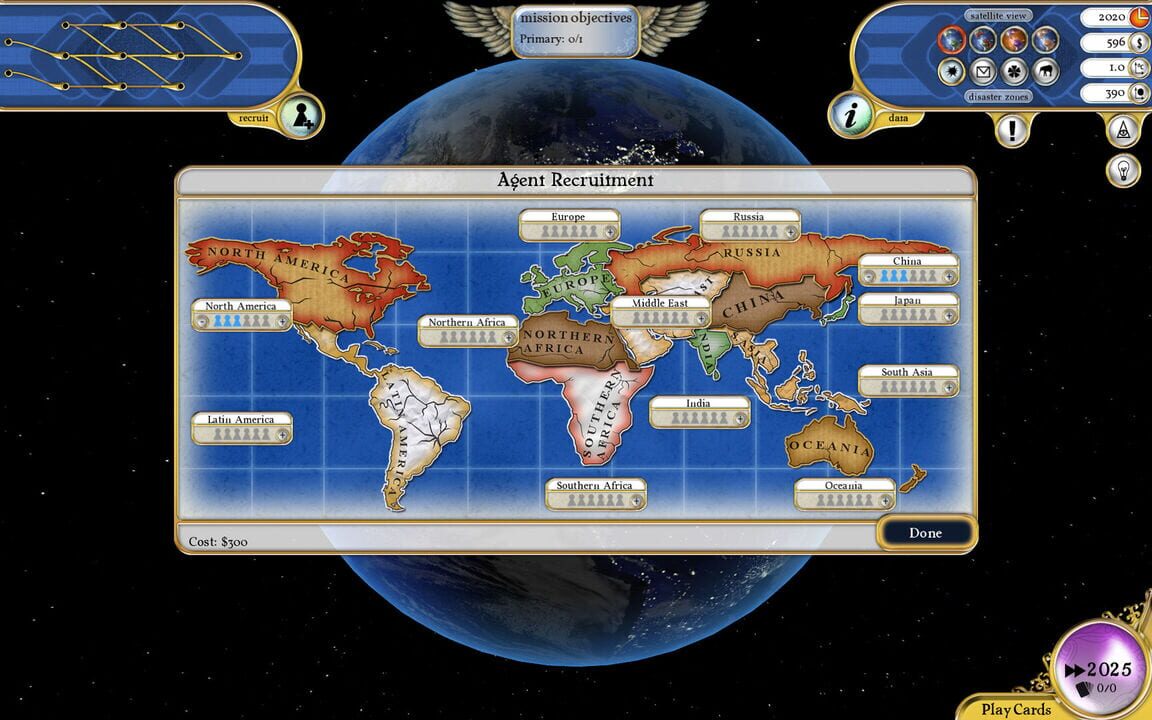
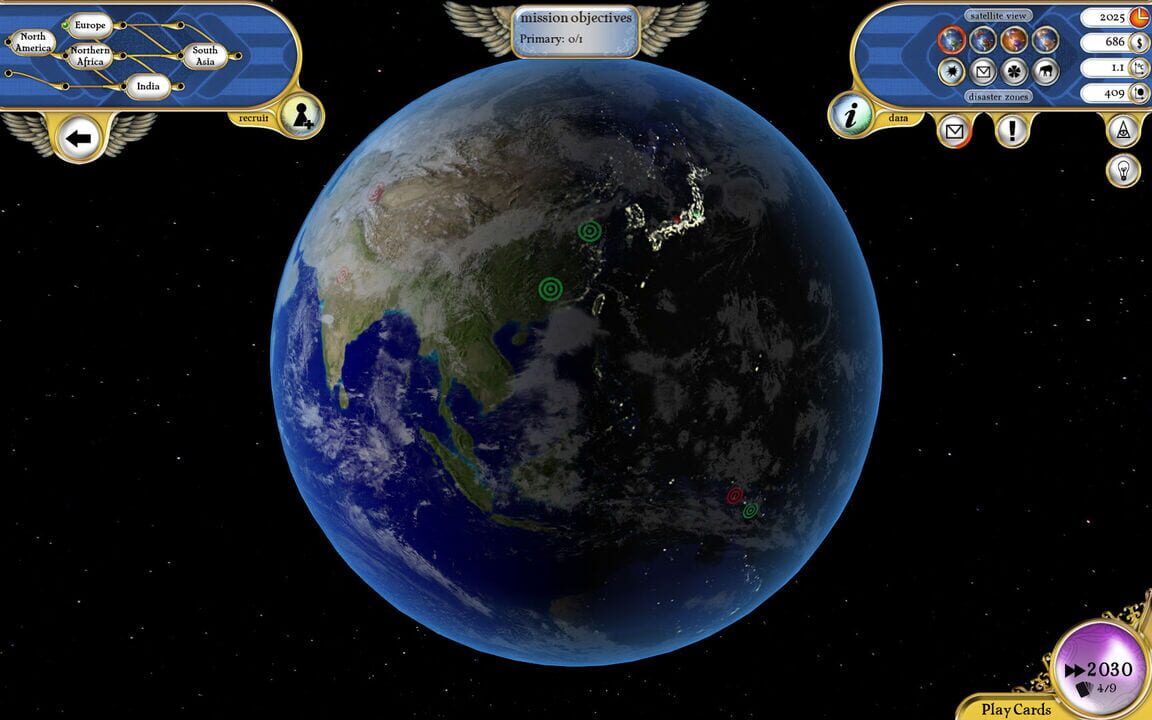
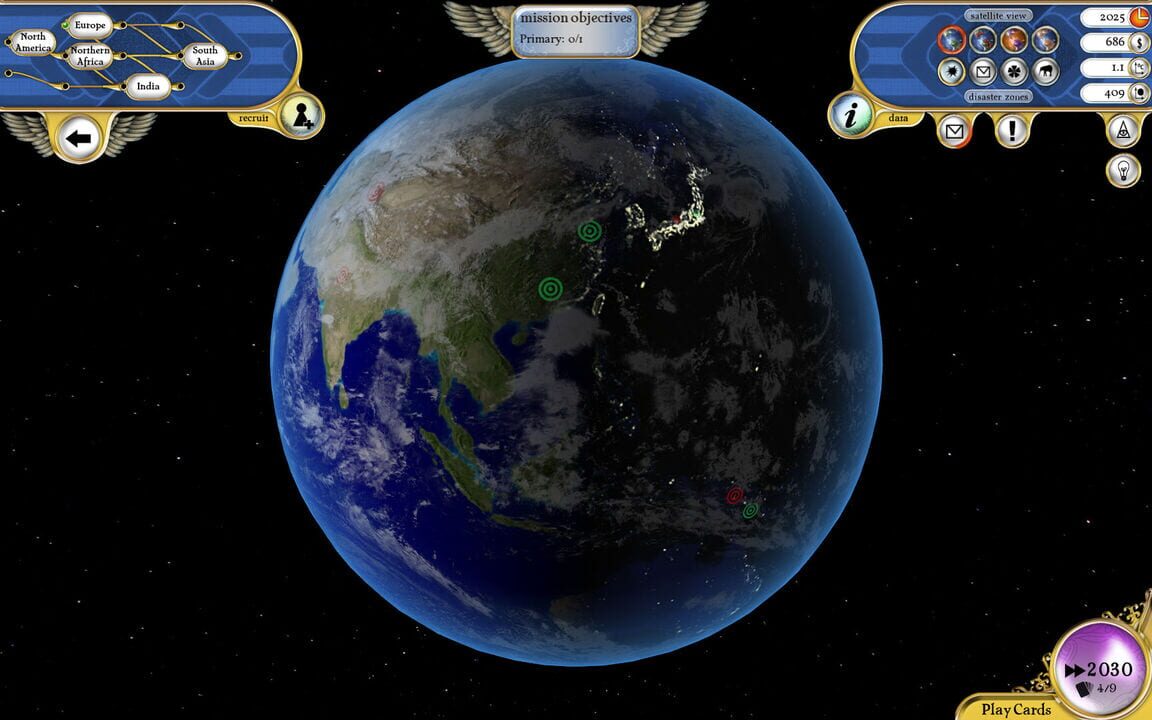
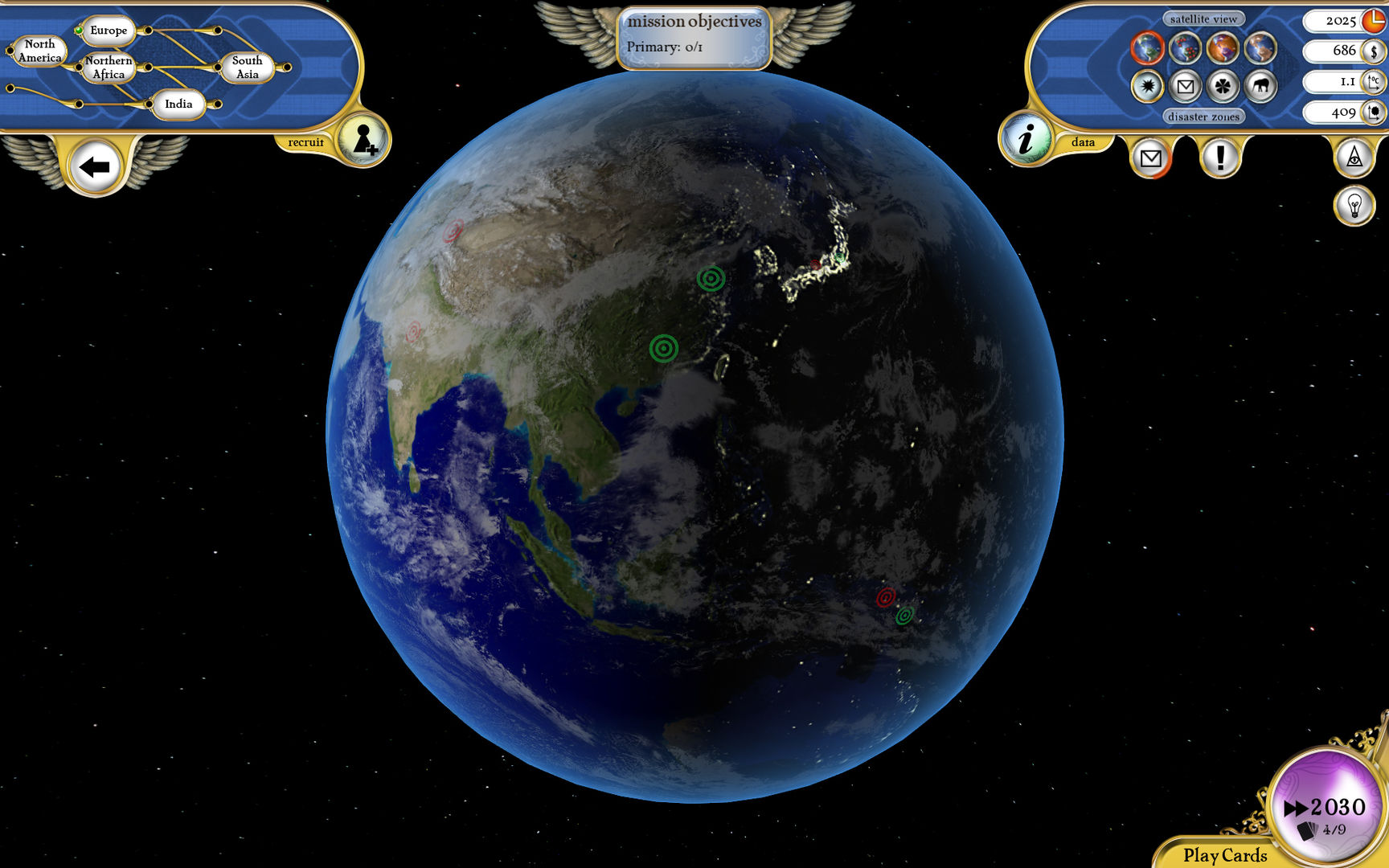
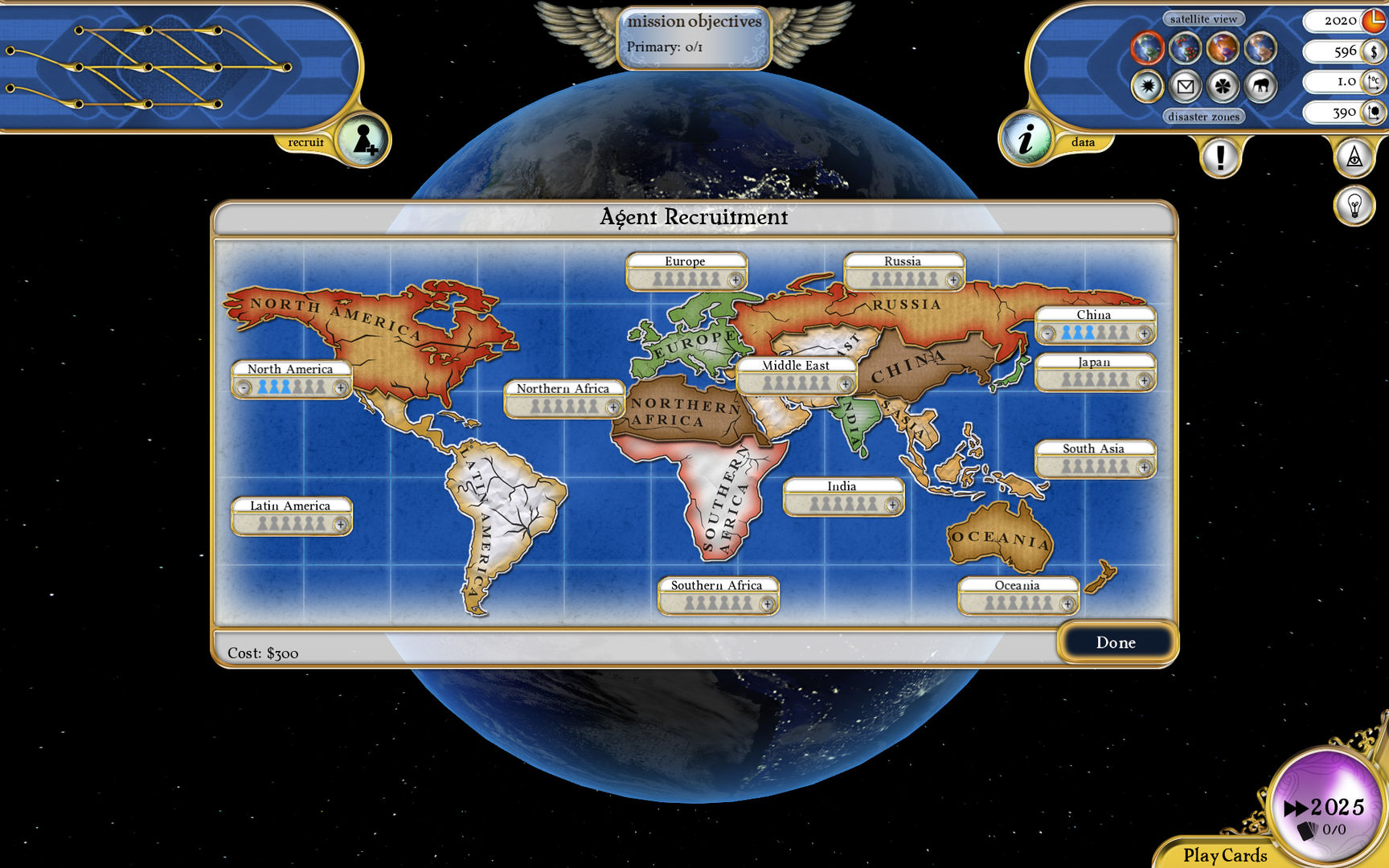
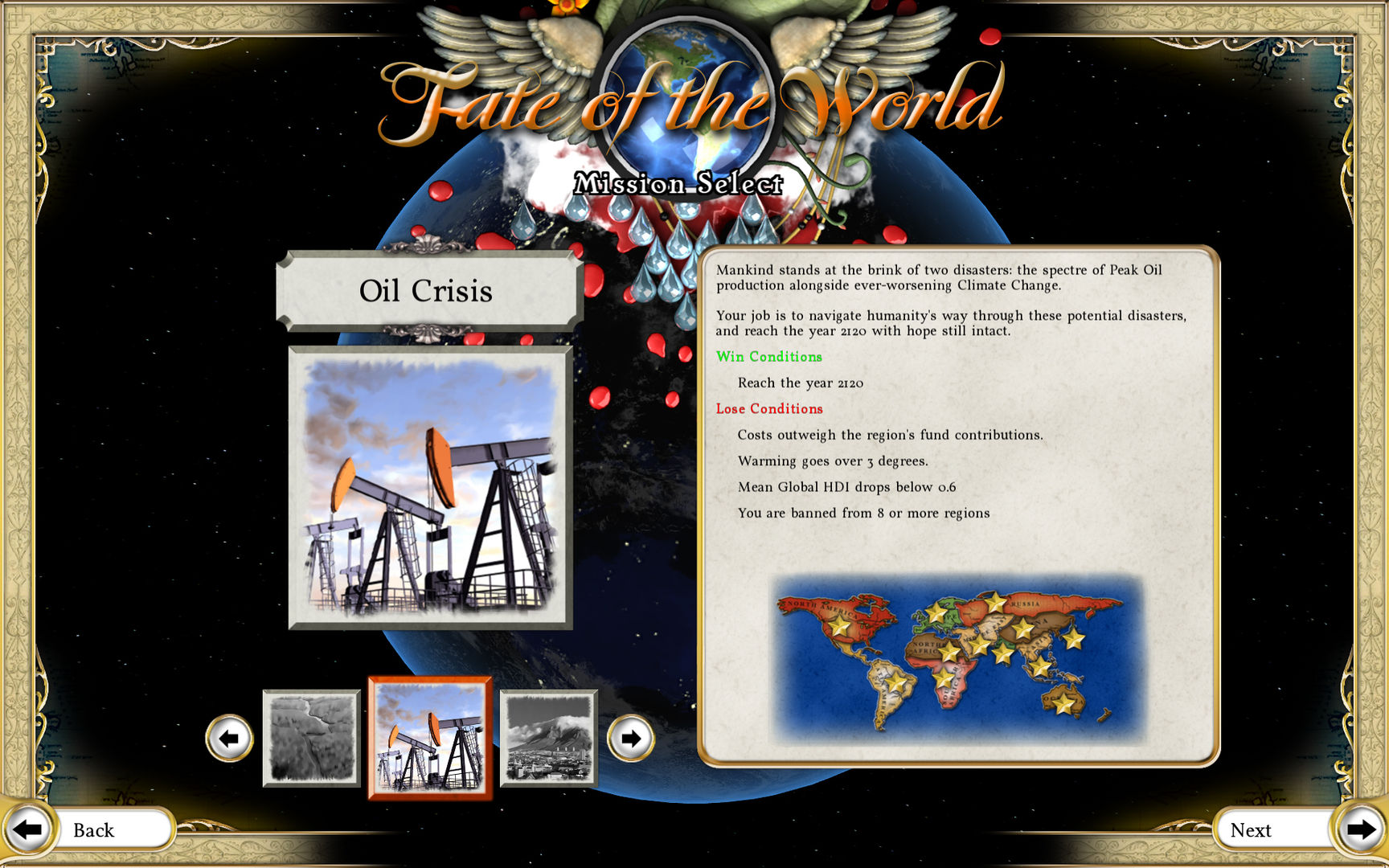
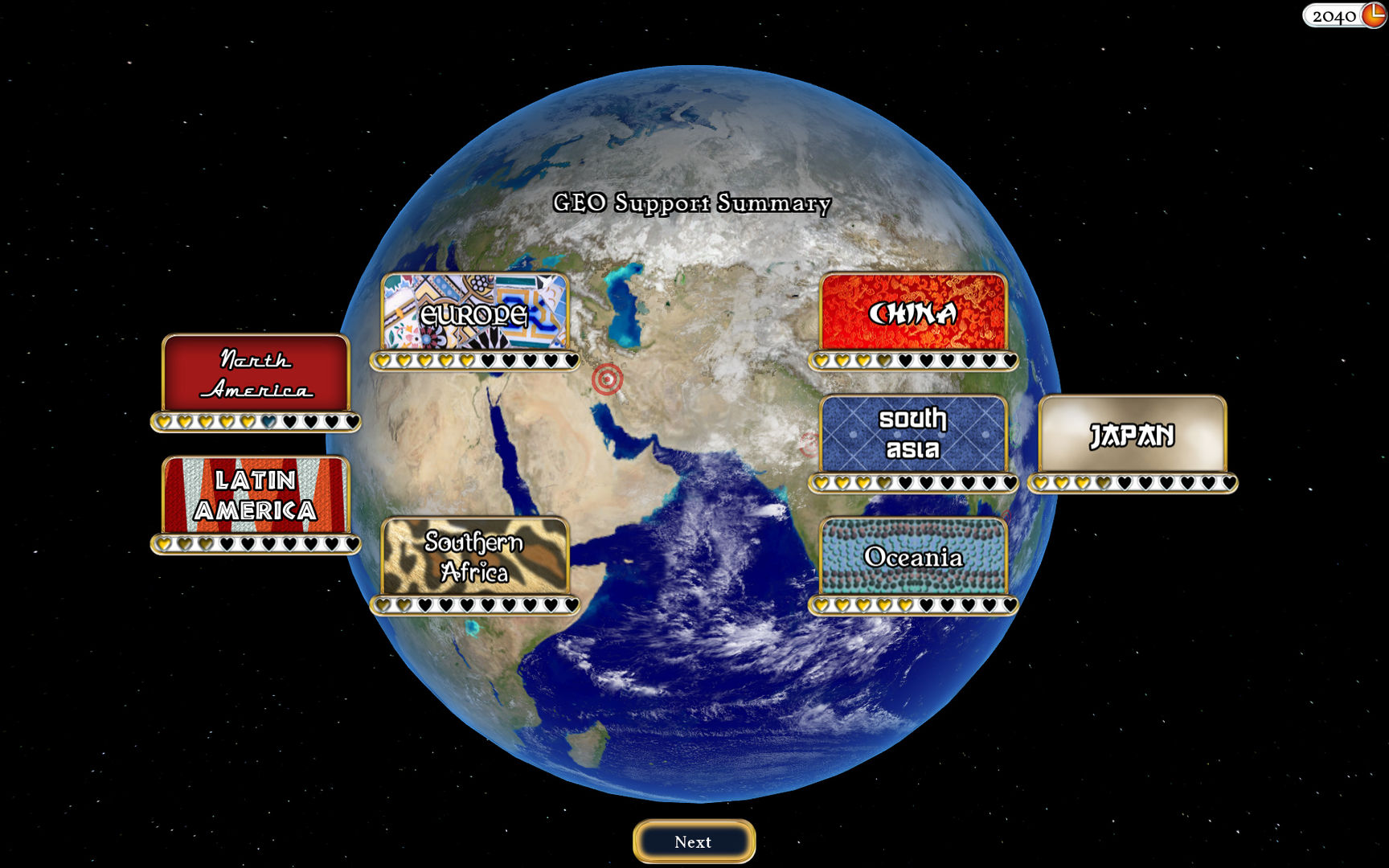
Fate of the World, un jeu de stratégie global développé et publié par Red Redemption avec le concours de Soothsayer Games, est sorti le 28 février 2011 sur PC et Mac. Ce titre de simulation indépendant, réalisé avec le moteur OGRE, propose une série de scénarios spectaculaires basés sur les dernières découvertes scientifiques et couvrant les années 2020 à 2200, où le joueur doit gérer l'équilibre entre la protection des ressources de la Terre et de son climat et les besoins d'une population mondiale en croissance. Le jeu comprend douze régions, un modèle scientifique élaboré par le Dr Myles Allen de l'université d'Oxford, plus de cent grandes politiques, plus de mille impacts possibles, cinquante espèces animales à sauver, quarante technologies futures et six points de basculement, le tout visualisé sur un globe terrestre en 3D. L'équipe réunit notamment le producteur Claude Thomas, l'écrivain David Bishop et le compositeur Richard Jacques, et le jeu a été nominé par l'Index Design Awards 2011 ainsi que par Games for Change comme l'un des dix jeux ayant le plus grand impact social. D'une durée de huit heures pour l'histoire principale et de douze heures pour un parcours complet, il est proposé au prix de 9,99 euros et affiche un score Metacritic de 70. La presse a salué une tentative courageuse d'utiliser le jeu vidéo pour dépeindre les crises environnementales, tandis que certains joueurs regrettent la clarté insuffisante des mécanismes ou relèvent son orientation de gestion globale exigeant la maîtrise de l'anglais.
Médias




Avis des critiques et joueurs
Critiques de la Presse (Metacritic)
« A brave and largely successful attempt to use the medium of videogames to depict environmental crises. »
« It's about getting behind the rhetoric and gaining a meaningful understanding of the many dreadful things we're doing to our home. »
« The Last Starfighter of Political Science. [June 2011, p.68] »
« Fate of the World offers not only good entertainment but also food for thought about our way of life. »
« Fate of the World is a bold experiment, able to deal with unusual subjects for a game and to present some original ideas. Too bad for the repetition of situations and the poorly calibrated difficulty level. »
« It's an interesting game. It lacks deeper mechanics and intricacies that could've given the game more layers, but it'd sap much of what makes Fate of the World such a unique product. You don't have that kind of control, because in reality, you wouldn't have it. It's hard to really knock it down for that, but at least know that this the best 7.5 game ever. »
« It completely misses its educational goal because of it's design, but remains an intriguing title for those that might feel they are smart enough to tackle the challenge Fate of the World throws at them. »
« It's a worthy and handsome effort, but frustratingly badly explained, making it hard to play. »
Avis des Joueurs (Metacritic)
« Zanimljiv koncept ali ne voilim igrice u kojimami nije jasno sta a donosi kada uradis b. Takve stvari mi nemaju logiku i ubijaju mi zelju za igranje, moje licno misljenje dabome. »
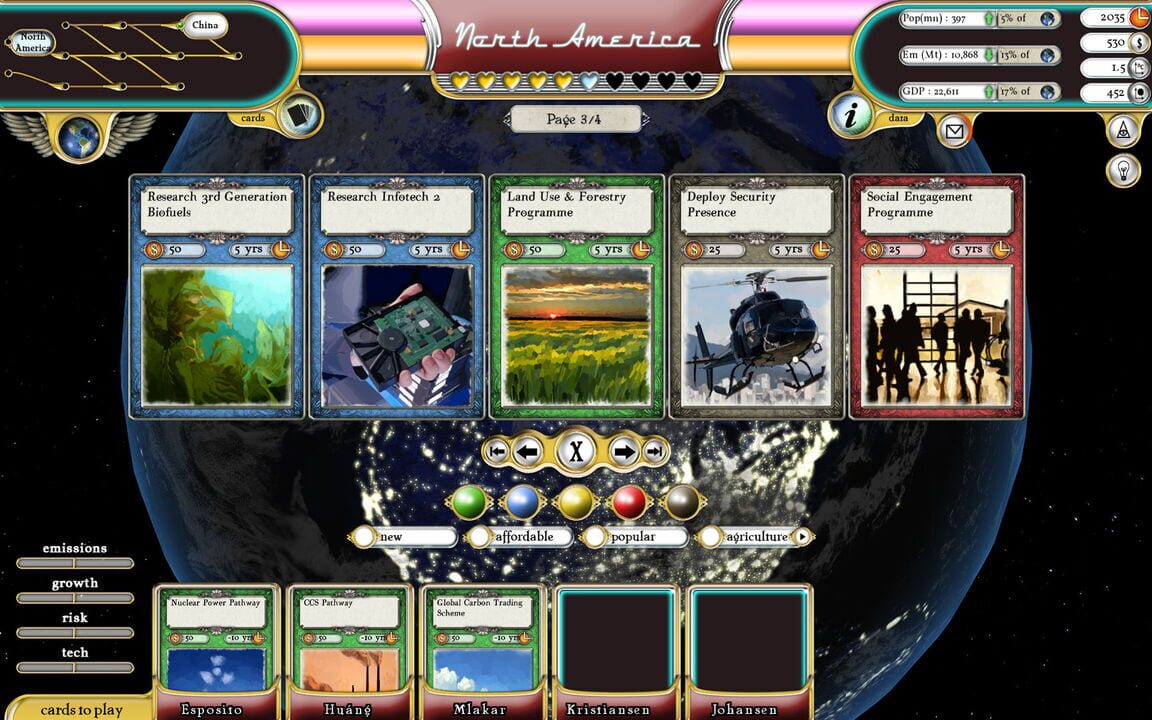
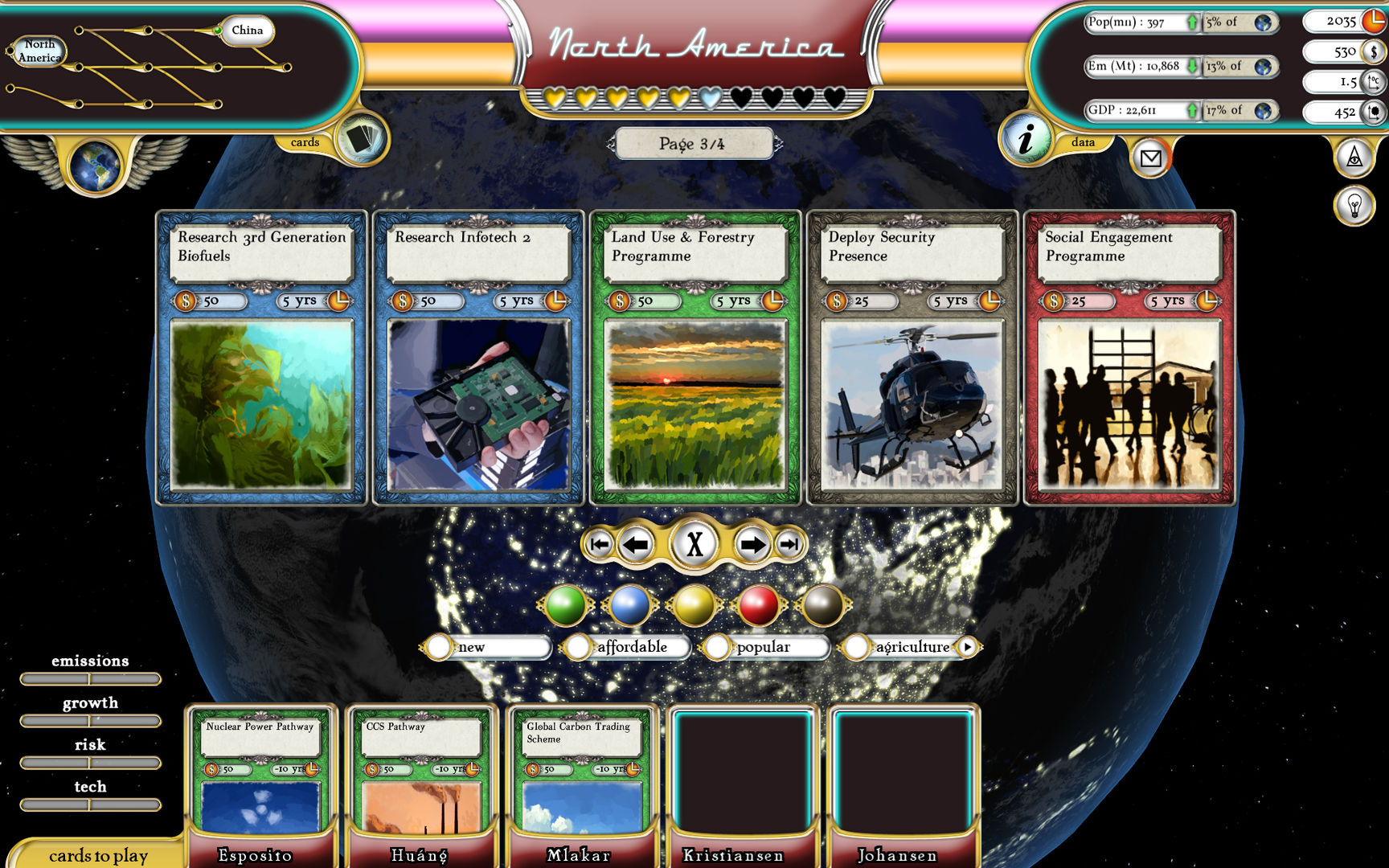
« If you draw a line between Democracy and Civilization, Fate of the World stand inbetween, in the fringe of serious gaming. The game has been funded by humanitarian organisations and created with the help of universities. The result is a robust and deep political / social / economic / scientific / environmental underlying engine. And here is the true quality of this game : the engine is accessible, but most of the time hidden. As a player, you receive updates of the actual situation in multiple regions of the world in shape of news or governemental reports. From that point you can hire agents and select several missions displayed as cards (nice design idea) for a time set between 5 years and permanent. The game is not easy, the task at hand is hard. Improving the life and well-being of populations won't prevent insurrections or shield you from climate change - at least in the early years. The interesting benefit of Fate of the World is to give you perspective on critical issues, and experience the tough job of trying to be a fireman in several places at the same time. »
« A game that really gets to grips with the true complexity and challenge of the environmental crisis. This game is a little overwhelming at first but after a few play throughs it makes for a engaging intellectual challenge. This game isn't intended for people that want it easy. »
« It's a pretty complex card game where you get to play global policy maker. There are actually a lot of different things you need to keep track of including region stability, employment, population growth, energy demands, technology research, medical care, education, and many others. There is an immense amount of data available to aid you in your cause, but you can choose to ignore it altogether and just "roll the dice" and see what happens. The game is not very intuitive. It isn't obvious what each card does until you've played them a couple of times, and it took me several campaigns before I got a better understanding of how they were used to actually accomplish goals. You'll definitely need a little patience to struggle through it. It's a different strategy game than the norm, but nothing I would recommend. It's one of those games that you either love or hate--not much room for being on the fence. »
« A pretty fun edutainment title - if only it weren't so difficult! Effective as an educational tool and it'll even be of some interest to the climate skeptics out there. »
« Fate of the World is an interesting game with goals that make you think about your next moves. It is definitely a genre that hasn't been seen all too often, which is nice considering the redundancy, and thus lack of creativity, seen in the current gaming industry/market. The graphics are pretty basic; just a globe with an Earth texture slapped on it and a day night cycle which really means nothing other than seeing lights turn on at night. However, there are some aspects of the game that don't interest me. Fate of the World is a somewhat linear game. Granted, you can do different things every time you play the game, it's overall objective is to get the player to keep the world from falling into despair due to either global warming, low HDI or civil wars (with the exception of one scenario). Another issue is the lack of sandbox play. With a game/idea like this, the most important thing you want to include is a sandbox mode that allows players free reign over their game. FotW does not allow this. The scenarios are also very short, not allowing players to really become immersed in the game fully; almost comparable to a demo. Overall, Fate of the World is an interesting peek into what global strategy games could become someday (more about geo-politics and policies and less about wars and dominance). Unfortunately, it falls flat with its short game-time scenarios and lack of free-play. »
« It certainly gives a challenge; that is to say, it is very hard. If you have any big goals in this game, expect to fail many times. The way regions kick you and your control out and will not even work according to guides disappoints. Maybe it is an accurate depiction of the world, but it sure is unpleasant and un-fun. »
« First off, this game really represents a great new direction for subject matter in the field. It's not that there haven't been socially conscious games made in the past, but very few have pulled off a decent game that can only be played through peaceful gameplay. Fate of the World does this really well. However, the reason for my low rating is that the game is generally very difficult to understand how to play. I've played through it successfully a few times, but not without making it extremely difficult for myself for lack of knowledge of how things work. It may seem apparent at times, but it's really not. In short, gameplay is counter-intuitive and the game itself doesn't do nearly enough to help the player understand the mechanics. The game is also a little depressing. Solutions to problems that crop up while you're saving the world all fail at some point and the best you can do achieve mission goals, knowing that things won't hold up no matter what path you choose. This may be due to the very clear bias the game has towards unfavorable outcomes to the worlds present energy crisis. This game could really have done much more good by better explaining energy, how we exploit it, and proposing positive solutions that could have real consequences. Instead, it leans very heavily on the doom and gloom side. Gameplay is at least intriguing and the concept is very unique. Otherwise, I wouldn't call this something that's fun to play, but the strategic gameplay is definitely stimulating. »