G-Police
G-Police
Description (IGDB)
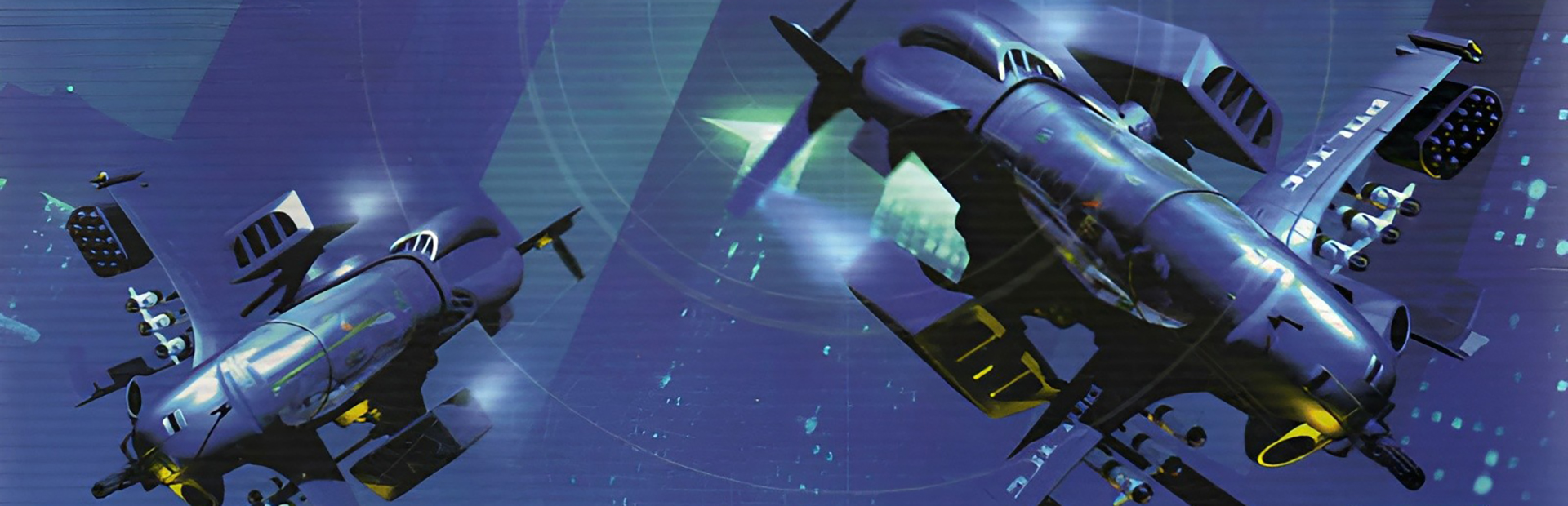
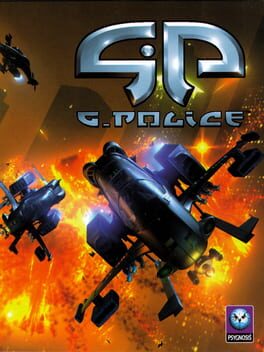
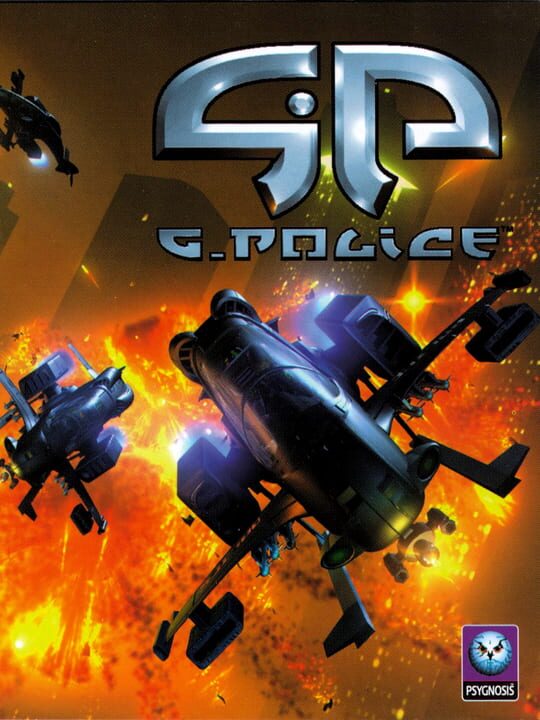
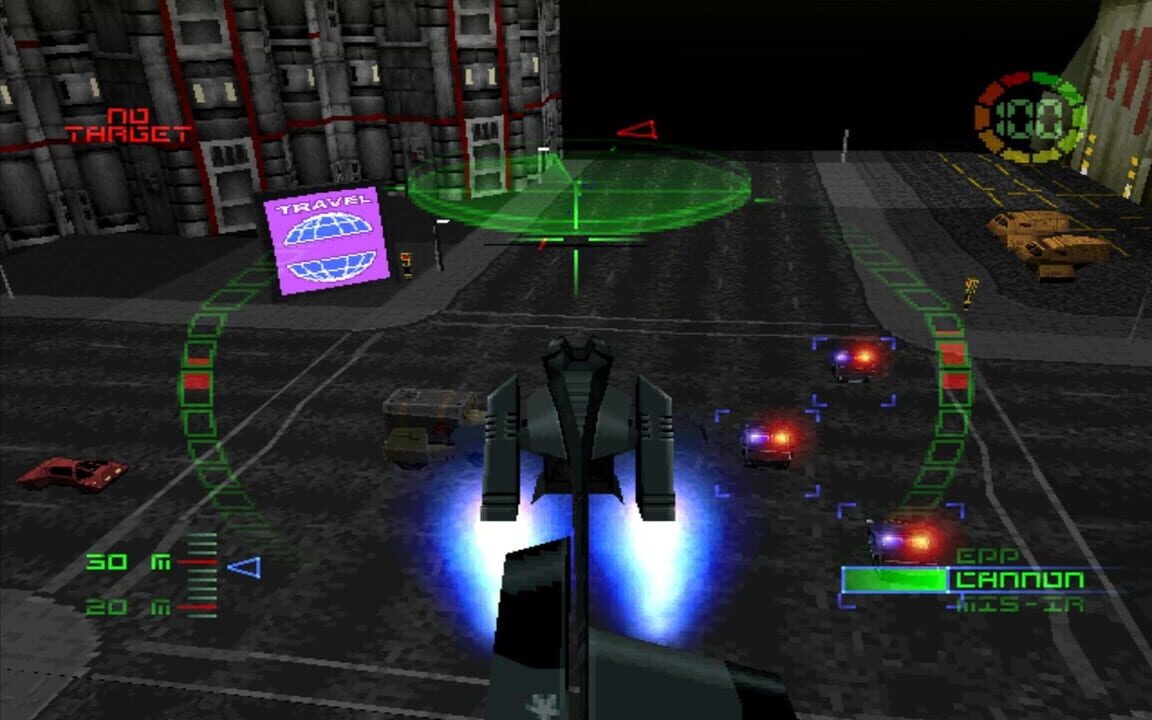
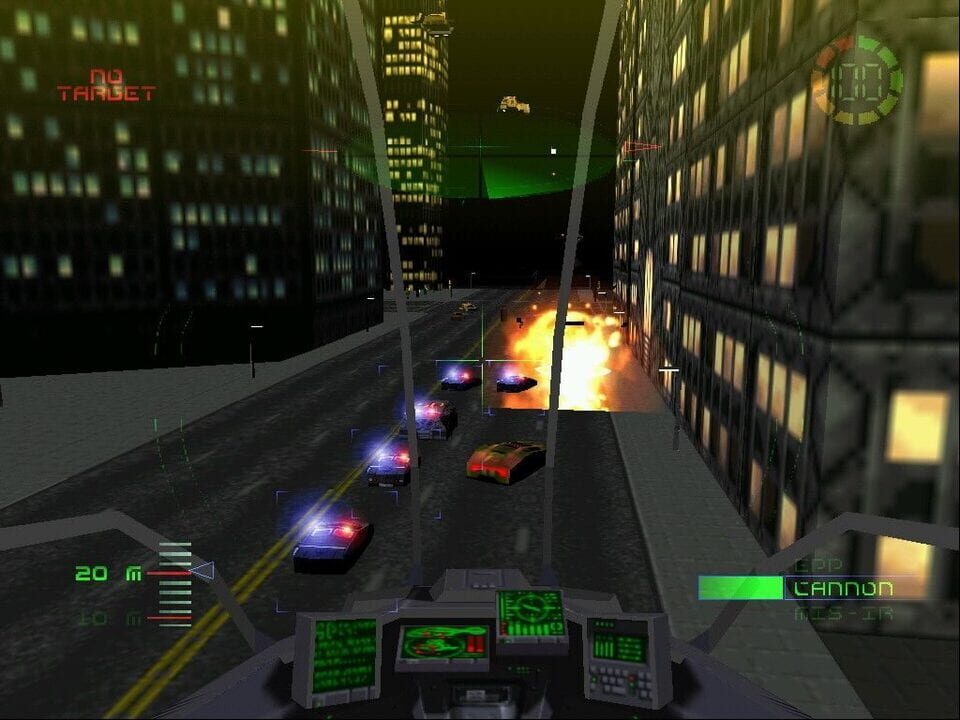
G-Police is a 1997 combat flight simulator set in a hypothetical future where corporations lead space colonies. The player is Jeff Slater, a futuristic helicopter pilot who joins the G-Police to investigate his sister's death.
Histoire (IGDB)
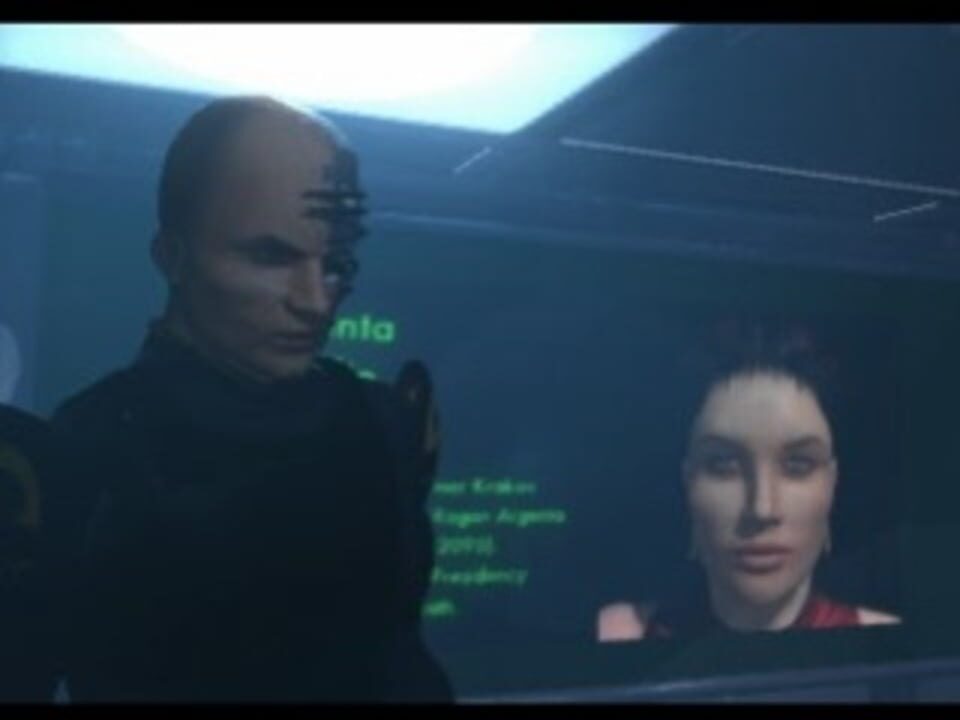
As this game is set during year 2097, according to the introductory sequence, a sequence also provides the history of this game's setting: during year 2057, the depletion of Earth's resources coincided with widening space exploration. After a catastrophic war over ever-declining resources, ending 10 years prior to the events of G-Police, Earth's governments were stripped of military power. As a result, powerful corporations had exerted control over Earth and the burgeoning space colonies. The Government Police (G-Police) was formed by Earth's remaining coalition government to maintain order in these colonies. In the latter part of the introductory sequence, Slater, the game's protagonist, introduces himself as a war veteran who had joined the G-Police to conduct his own investigation of his sister Elaine's apparent suicide, suspecting that she was murdered. He also provides his view of the G-Police, stating they lack authority and "turn a blind eye" to "shady corporate deals" while attempting to maintain order. He describes the Havoc gun-ships as outdated and the pilots as a mixture of desperate war veterans and naïve idealists. The action takes place in a futuristic urban setting, occasionally illustrated by cut-scenes. The early levels of the game depict Slater combating enemy gangs. The G-Police suspect "Krakov" corporation is supplying the gangs with weaponry. Krakov's president however is subsequently the subject of an assassination attempt by the gangs. During this attempt, Hiroshi Tachikawa—a pilot whom Slater describes as flying his gun-ship "like he was born in it"—dies when his gun-ship crashes after mysteriously malfunctioning. In the interests of morale, the nature of his death is covered up; Slater notes this incident is reminiscent of Elaine's death. After numerous insurgencies, invasions, and terrorism, on its personnel and property, Krakov blames a rival corporation, "Nanosoft", and begins openly attacking them with its private army. Lacking evidence for involvement with the criminal gangs, the G-Police protect Nanosoft, ultimately destroying Krakov's military power. The G-Police, however, investigate exactly why Krakov and Nanosoft were fighting. The latter half of the game depicts a conflict between the G-Police and Nanosoft's private forces, which attack G-Police after Krakov's collapse, both out of panic as to the investigation and to tie up loose ends.
Description en cours d'enrichissement.
Médias

Avis des critiques et joueurs
Avis des Joueurs (Metacritic)
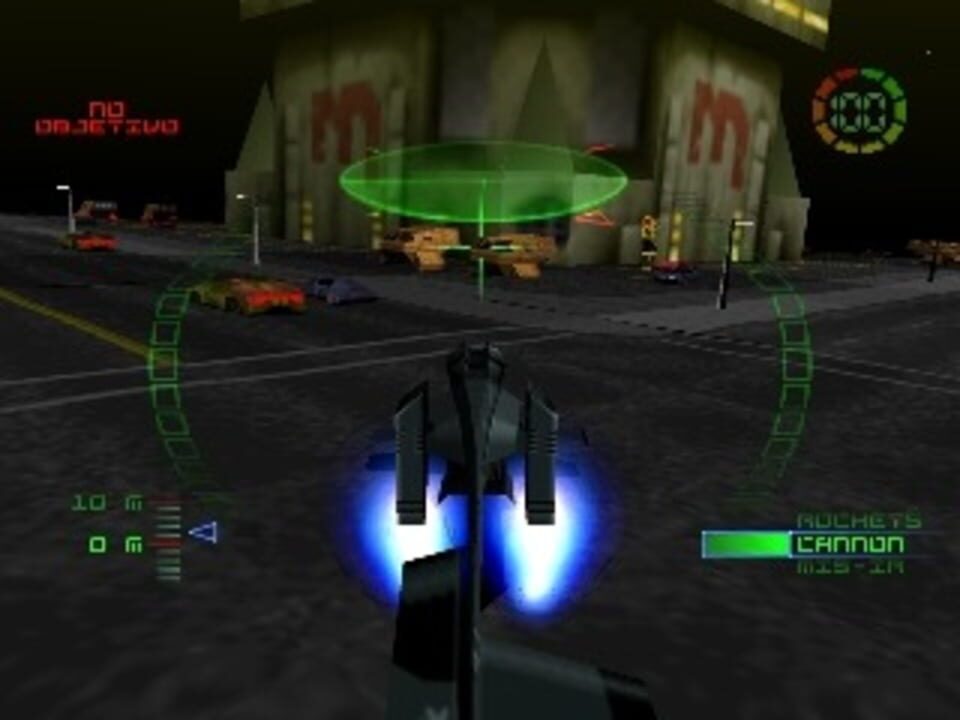
« In the late 1990s, a number of games were based on the premise that cops in the future would have access to military-grade weapons. "Crime Killer" was a rather poor example of this; "Future Cop LAPD" was better; but for me, "G-Police" was not only the best of its type, but a genuinely excellent game. Psygnosis knew what they were doing, having released the space-combat game "Colony Wars" the previous year, and produced a game that was large, varied and pleasant to play. Set on a colonised Callisto in 2097, the player is issued a Havoc gunship (a VTOL craft that packs a hefty amount of ordnance in later levels) by the titular organisation and is sent out onto the streets (skies?) of the colony to maintain order against criminal syndicates and corrupt, ruthless corporations. Extreme prejudice is the norm here: although some levels grant you an EMP blast to capture enemy vehicles and their crew alive, most of your foes will end up as an explosion. The plot is simple fare but told in a film-noir style that gives it a unique (if somewhat cold) charm, with in-game dialogue establishing many elements of the story whilst narration by the protagonist and short FMVs handle the major plot points. Variety is a spice that "G-Police" employs liberally: the opening missions ease you in gently, with some presenting new enemies for you to test your skills against, requiring you to tail a suspect or giving you a ground team to escort about their duties. The difficulty curve does rise sharply from mission 10 onwards, as missions become more hectic and foes more numerous. Thankfully, your arsenal expands as the threat increases: bombs to attack enemy ground forces, hyper-velocity missiles (green missiles that move so fast I thought they were lasers) and unguided rockets to blow chunks out of tougher vessels, and star-burst missiles to deal with swarms of fighters. Even the later levels retain some degree of novelty, with objectives that add an element of urgency or mystery to the destruction you unleash on your foes. Complaints about the game's graphics were common when it was released: whilst what you could see was pretty enough, the default draw distance was terribly limiting, and few computers at the time could handle its top settings. Fifteen years on, however, this is hardly an issue for PC gamers; and for those who play the PS1 version on their PS2s and/or PS3s, altering the Graphics Setup to favour View Distance and View Angle should not cause a corresponding drop in the Frame Rate, allowing for the best all-round experience. (Thanks to Khoa Vuong, another veteran of the Corporation Wars, for that tip). Another common complaint was the awkward and overly-sensitive control scheme, which I am sadly no longer qualified to judge: having played through the game several times, I have become quite inured to their quirks. However, I suppose the fact that a bumbling fool like myself was ever able to complete the game at all is a sign that any difficulties with the controls are not too problematic. "G-Police" is a relic from a bygone age. The FPS genre thrives, but vehicle-based shooters do not - fans of such games must trawl through the dust to find what they desire. For those who remember (or still play) space-based shooters and fancy something similar, I would whole-heartedly recommend "G-Police" (and its sequel, "G-Police: Weapons of Justice" sadly devoid of representation on this website - I'd make a new page for it, if only I knew how. Don't think I wouldn't: I was the architect of its Wikipedia page...) as a game to try. Good luck, and may your cannons never overheat. »